
Critical-power continuity
Define permitted interruptions and maintenance isolation for every essential load.
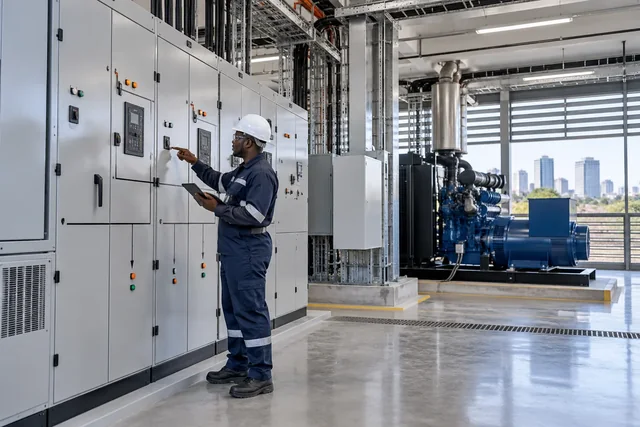
Decisions before procurement
| Decision | What to establish | Evidence to bring |
|---|---|---|
| Load priorities | Separate no-break loads, generator-supported loads and loads that may be shed. Include starting and nonlinear duties. | Critical-load schedule and permitted outage |
| Source and bypass | Coordinate UPS, generator transfer and maintenance bypass. A bypass path does not provide battery autonomy. | Single-line diagram, interlocks and isolation plan |
| Acceptance | Agree transfer tests, battery assumptions, alarms and access before quoting equipment. | Runtime target and test/service responsibilities |
Your project brief
- Essential-load kW/kVA and starting duties
- Permitted outage and autonomy
- Utility/generator/UPS arrangement and space
- Bypass, isolation and commissioning scope
Confirm the actual supply and control voltage. Kenyan projects commonly specify 230/240 V single-phase or 400/415 V three-phase; the selected equipment must match the measured supply and manufacturer rating.
Engineering methods
Related guides
Choose a reference or send your BOQ
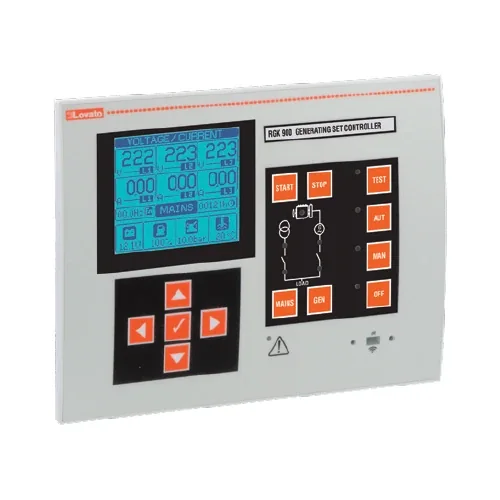
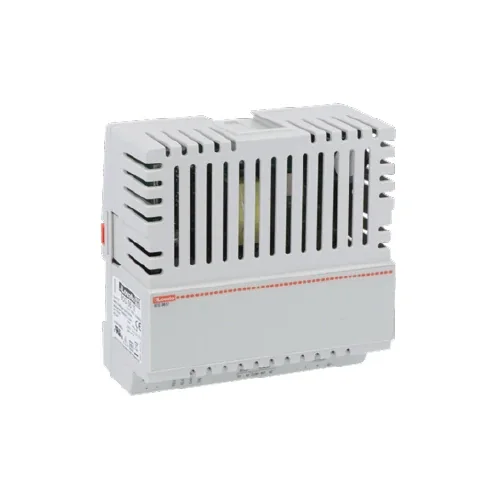
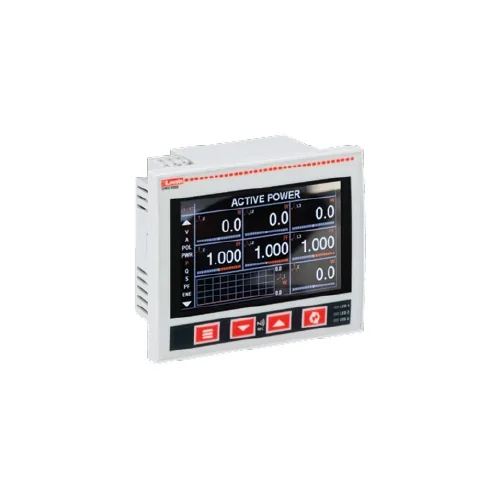
Compare relevant product families, then confirm the exact rating, control supply and duty. Price and availability are confirmed with your enquiry.

Technical references
These references support planning. The exact model documentation and a project-specific engineering review govern the final specification.