
Logistics and warehousing
Coordinate conveying, distribution, lighting and continuity for the way goods move through the facility.
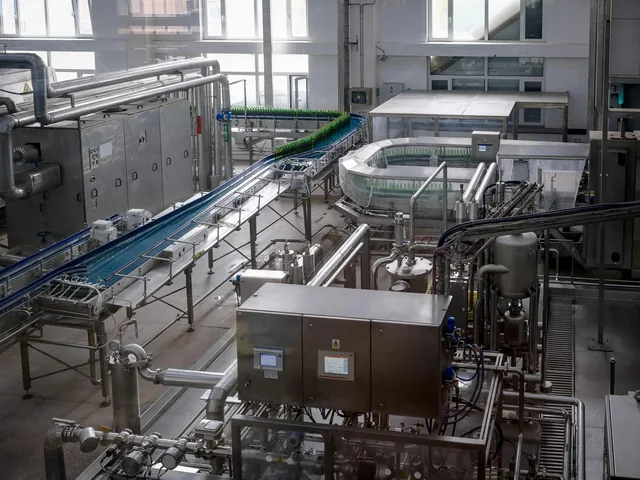
Decisions before procurement
| Decision | What to establish | Evidence to bring |
|---|---|---|
| Material movement | Identify conveyor zones, motors, interlocks and emergency-stop interfaces. Safety functions need a project risk assessment. | Equipment layout and sequence |
| Distribution and metering | Separate process, loading bays, warehouse lighting and offices. Locate meters where they explain operating demand. | Load schedule and metering boundaries |
| Maintenance | Agree isolation, manual modes, spare references and recovery from an outage. | Maintenance access and restart policy |
Your project brief
- Warehouse layout and expansion
- Motor, lighting and office schedule
- Conveyor controls and safety requirements
- Backup, environment and isolation access
Confirm the actual supply and control voltage. Kenyan projects commonly specify 230/240 V single-phase or 400/415 V three-phase; the selected equipment must match the measured supply and manufacturer rating.
Engineering methods
Related guides
Choose a reference or send your BOQ
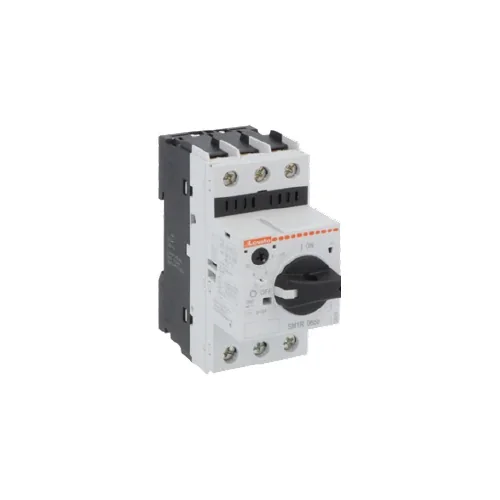
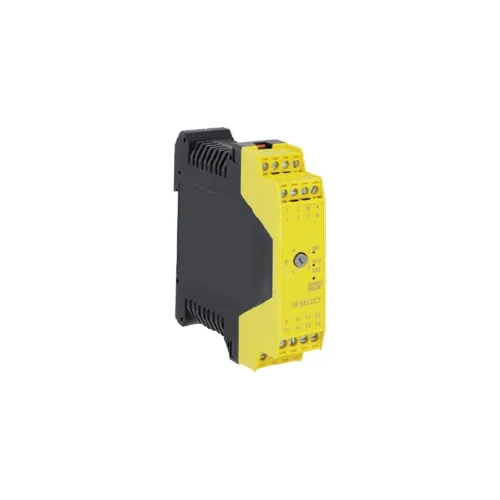
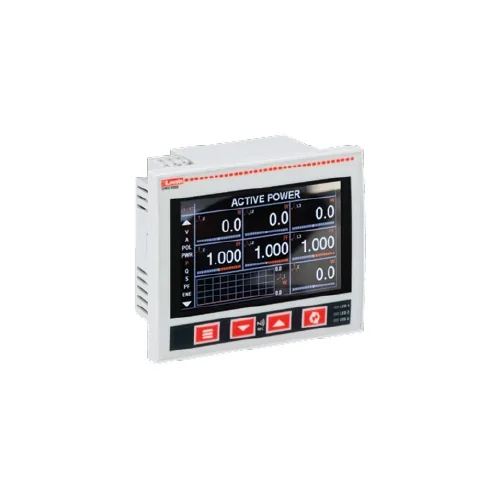
Compare relevant product families, then confirm the exact rating, control supply and duty. Price and availability are confirmed with your enquiry.


Technical references
These references support planning. The exact model documentation and a project-specific engineering review govern the final specification.