
Cable and protection selection
Review load, installation, voltage drop and fault duty as one coordinated selection.
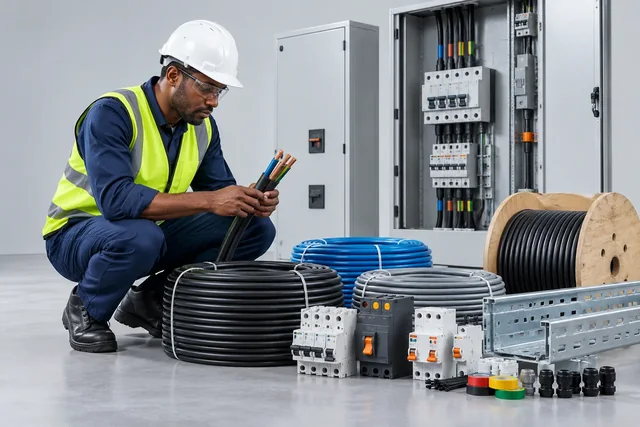
Decisions before procurement
| Decision | What to establish | Evidence to bring |
|---|---|---|
| Load and installation | Establish design current, phase arrangement, conductor, insulation and installation method. Apply temperature and grouping factors. | Ib, route, ambient and grouped circuits |
| Voltage drop | Use one-way length, operating current, power factor and resistance/reactance at the assessment temperature. | Circuit length and conductor data |
| Protection and fault duty | Coordinate Ib, In and Iz; check breaking capacity, minimum fault operation and conductor withstand. A rating table alone is insufficient. | Source fault data and protective device |
Your project brief
- kW/kVA, phase and supply voltage
- Route, length, installation, ambient and grouping
- Conductor/insulation and voltage-drop objective
- Source fault level, settings and earthing
Confirm the actual supply and control voltage. Kenyan projects commonly specify 230/240 V single-phase or 400/415 V three-phase; the selected equipment must match the measured supply and manufacturer rating.
Engineering methods
Related guides
Choose a reference or send your BOQ
Compare relevant product families, then confirm the exact rating, control supply and duty. Price and availability are confirmed with your enquiry.
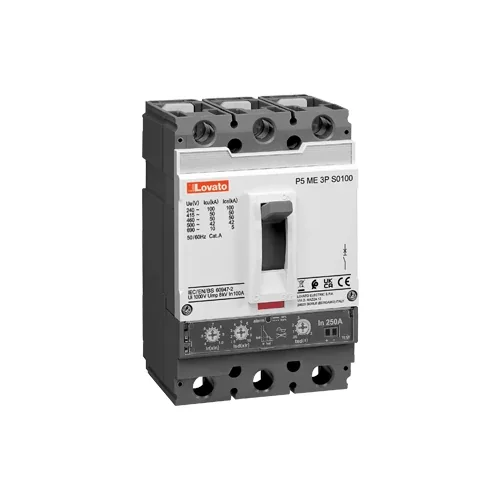

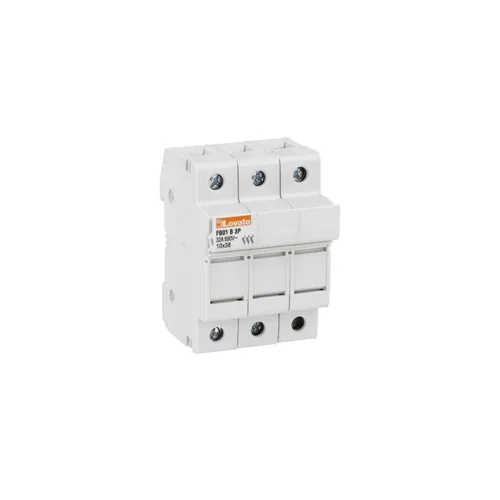
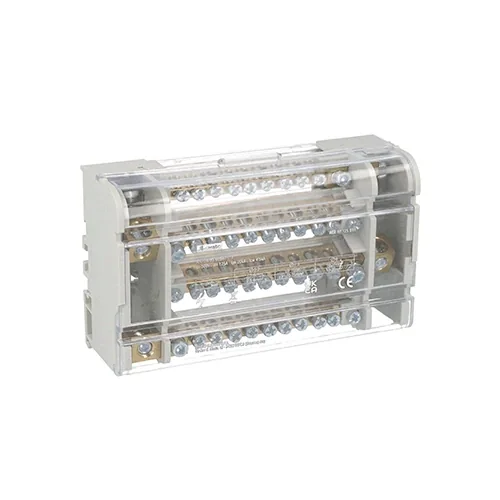
Technical references
These references support planning. The exact model documentation and a project-specific engineering review govern the final specification.