
Motor starter selection guide
Choose the starting method from the motor connections, driven load and duty rather than kW alone.
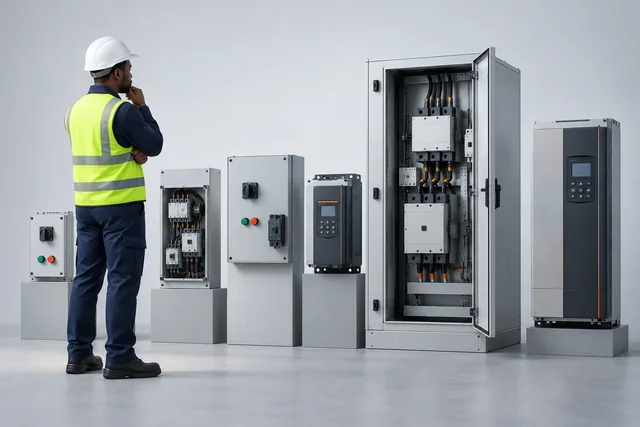
Decisions before procurement
| Decision | What to establish | Evidence to bring |
|---|---|---|
| Direct-on-line | Simple fixed-speed starting where the supply and load tolerate starting current and torque. | Start current, voltage dip and duty |
| Star-delta | Requires compatible motor connections and accessible terminals. Reduced starting torque may not accelerate the load. | Nameplate, six terminals and transition behaviour |
| Soft starter | Controls start/stop profiles without continuous speed control. Check starts per hour, start duration and bypass. | Torque, thermal duty and bypass arrangement |
| Variable-speed drive | Use where speed control is required. Review motor compatibility, EMC, harmonics and long motor cables. | Speed range, cooling and cable route |
Your project brief
- Nameplate and terminal arrangement
- Load torque, inertia and starts per hour
- Supply, fault level and voltage-dip allowance
- Control voltage, environment and interlocks
Confirm the actual supply and control voltage. Kenyan projects commonly specify 230/240 V single-phase or 400/415 V three-phase; the selected equipment must match the measured supply and manufacturer rating.
Engineering methods
Related guides
Choose a reference or send your BOQ
Compare relevant product families, then confirm the exact rating, control supply and duty. Price and availability are confirmed with your enquiry.

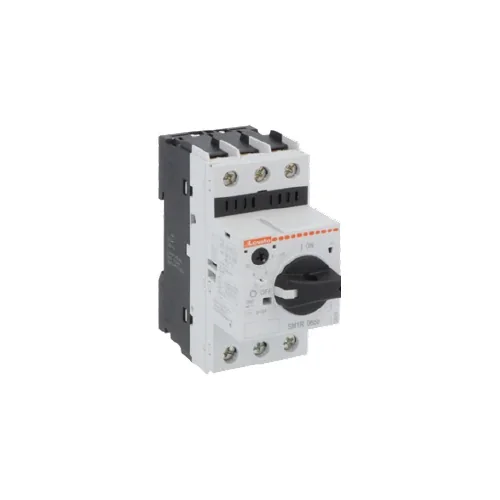
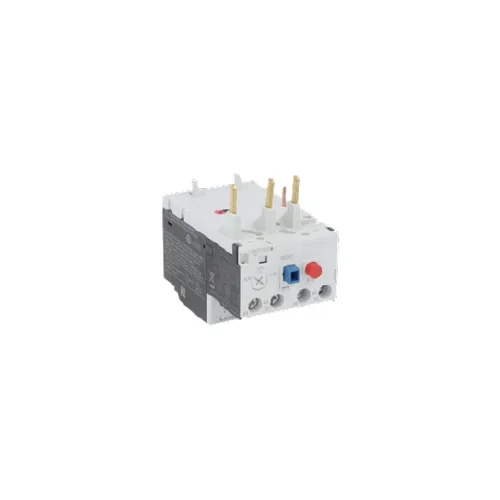
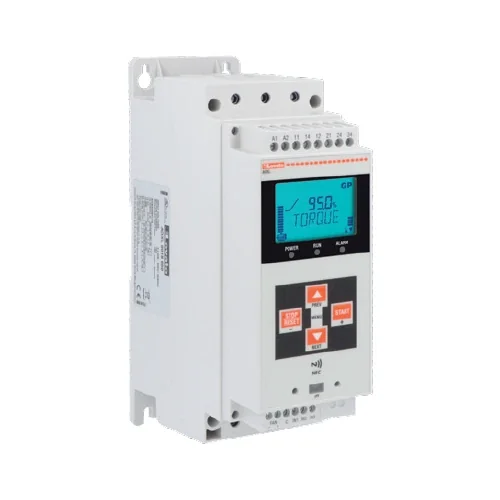

Technical references
These references support planning. The exact model documentation and a project-specific engineering review govern the final specification.