
Current-transformer selection guide
Ratio, burden and accuracy are separate choices. Confirm the complete measurement chain.

Decisions before procurement
| Decision | What to establish | Evidence to bring |
|---|---|---|
| Ratio and secondary | Match the operating range and meter or relay input. A 1 A and 5 A secondary are not interchangeable. | Primary current and device input rating |
| Burden and accuracy | Add complete lead-loop VA to device VA. Check manufacturer accuracy performance at the intended burden. | Lead resistance, device VA and CT rating |
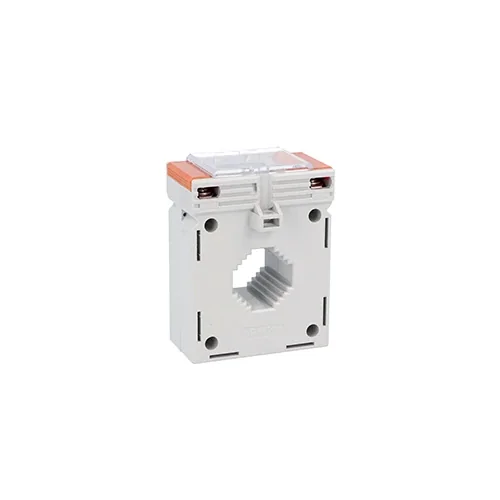
| Mechanical and protection duty | Confirm aperture, mounting, polarity and shorting/test access. Metering and protection CTs serve different duties. | Conductor size, class and test arrangement |
Your project brief
- Primary/secondary ratio and current range
- Metering/protection purpose and class
- Aperture, mounting and external burden
- Polarity, shorting/test blocks and exact reference
Confirm the actual supply and control voltage. Kenyan projects commonly specify 230/240 V single-phase or 400/415 V three-phase; the selected equipment must match the measured supply and manufacturer rating.
Engineering methods
Related guides
Choose a reference or send your BOQ
Compare relevant product families, then confirm the exact rating, control supply and duty. Price and availability are confirmed with your enquiry.
Technical references
These references support planning. The exact model documentation and a project-specific engineering review govern the final specification.